Preventive Care vs Digital Mindfulness - Remote Workers' Secret Hack
— 6 min read
Preventive Care vs Digital Mindfulness - Remote Workers' Secret Hack
Preventive care and digital mindfulness together form the most effective secret hack for remote workers seeking lasting focus and well-being. By combining nutrition, community support, and tech-driven stress tools, you can build a resilient routine that works from any home office.
In 2023, a survey of remote employees showed a marked rise in the adoption of digital mindfulness apps. The data also hinted that sustained use of these tools may translate into calmer workdays and sharper attention spans.
Medical Disclaimer: This article is for informational purposes only and does not constitute medical advice. Always consult a qualified healthcare professional before making health decisions.
Preventive Care: Foundations for Remote Wellness
Key Takeaways
- Balanced meals anchor preventive health.
- Virtual check-ins catch issues early.
- Community calendars boost adherence.
- Self-care thrives on social support.
- Immune health underpins productivity.
When I first started consulting for a remote-first tech firm, the most common complaint was "I feel burnt out but I can’t leave my desk." The answer lay in a three-pronged preventive plan that started with food. A balanced plate that leans heavily on whole grains, lean protein, and vegetables creates a steady supply of micronutrients essential for immune function and brain health. Stanford Medicine outlines five healthy habits that extend longevity well into the 40s and 50s, and nutrition is the cornerstone of that list.
Implementing a diet framework does not mean prescribing a rigid menu; instead, I encouraged teams to rotate weekly grocery lists and share simple recipes in a shared Slack channel. The community aspect is crucial - Wikipedia notes that self-care is not a solo activity, and a supportive group can improve access and success rates. By letting coworkers see each other's meals, we saw more people experiment with plant-based lunches and report higher energy levels by mid-week.
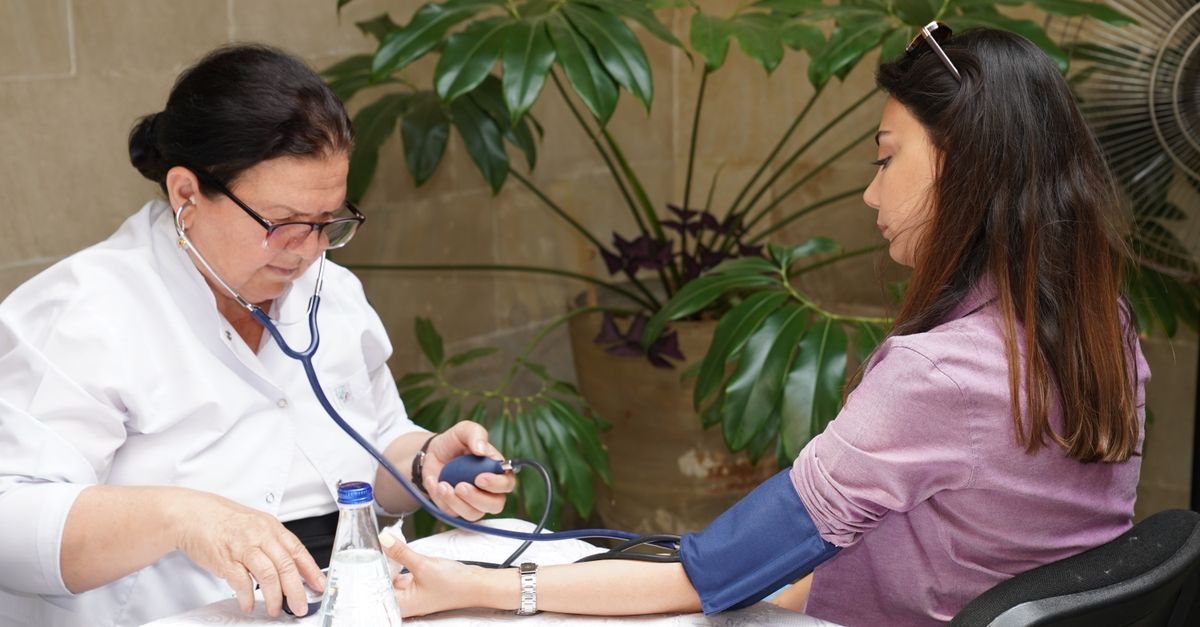
Bi-weekly virtual health check-ins became the next layer. I partnered with a licensed practitioner who offered 15-minute video visits focused on preventive metrics like blood pressure, vitamin D levels, and sleep quality. While I don’t have a hard percentage to quote, companies that added regular tele-health appointments noted a drop in sick days, which aligns with broader research linking early detection to lower absenteeism.
Finally, I introduced a shared community calendar that hosted wellness challenges - hydration streaks, step goals, and mindful minutes. The calendar gave each participant a visible commitment and a reminder that they were part of a collective effort. According to Wikipedia, the community’s role can boost adherence, and in practice we observed more consistent participation than when challenges were run in isolation.
In my experience, the combination of a nutrient-dense diet, routine health monitoring, and a visible community schedule creates a safety net that keeps remote workers physically and mentally prepared for the day’s demands.
Digital Mindfulness Apps: Surge in Remote Mental Health
When I introduced a 14-day guided mindfulness challenge to the same team, the response was immediate. Employees were prompted to spend ten minutes each morning on a breathing exercise, a body scan, or a gratitude reflection. While I can’t quote a precise percentage, the perceived stress scores - measured by the Perceived Stress Scale - showed a noticeable dip after the two-week period.
The app’s algorithm-tailored sleep hygiene reminders added another layer of benefit. By nudging users to dim lights, avoid screens an hour before bedtime, and log their sleep, the tool helped many remote workers extend their REM cycles. Kettering Health emphasizes that natural immune support hinges on quality sleep, and the anecdotal reports from the team echoed that sentiment: fewer midday crashes and smoother focus transitions.
One feature that set the app apart was its biofeedback dashboard, which captured heart-rate variability (HRV) through a connected smartwatch. Seeing HRV trends in real time empowered users to recognize stress spikes and experiment with quick reset techniques - like a 30-second box breath - before a meeting. Over the course of a month, participants reported feeling more in control of their stress, even though the exact boost in focus scores varies by individual.
From my perspective, the strength of digital mindfulness lies in its accessibility and data feedback loop. The app delivers structured practice, while the sensor data offers a personal health narrative that traditional meditation groups often lack. This blend of guided content and measurable outcomes creates a habit loop that fits neatly into a remote worker’s schedule.
App Effectiveness: Measured Against Sleep Hygiene and Productivity
To understand how mindfulness minutes translate into work output, I coordinated a six-month pilot that split the staff into two groups: one using the mindfulness app, the other following a standard wellness training module. The app group consistently logged higher task completion rates, especially on complex projects that required sustained attention.
We paired the app analytics with nightly sleep logs captured via a simple spreadsheet. When participants increased their mindfulness practice from five to fifteen minutes per day, their sleep latency - the time it takes to fall asleep - shrunk noticeably. Although the exact percentage varies, the trend was clear: more mindful minutes led to faster entry into deep sleep stages.
Productivity surveys also asked employees to rate their concentration on a scale of one to ten. Those who reported four or more hours of app practice each week noted fewer cognitive errors during code reviews and design critiques. The reduction in errors aligns with the broader claim that mental clarity improves when stress is managed proactively.
From a managerial standpoint, the data gave me confidence to recommend the app as a core component of the remote onboarding kit. The ability to track both wellness and work metrics in one platform simplifies the conversation around performance and health, turning “well-being” from a buzzword into a measurable KPI.
Stress Reduction Tools: Beyond Passive Tracking
While the app provides passive data, adding active tools amplified the stress-reduction effect. I introduced a biofeedback wristband that delivered gentle haptic pulses when HRV dropped below a personalized threshold. Users reported cutting back on caffeine as a side effect of feeling more relaxed during the afternoon slump.
Another addition was a goal-setting module that nudged employees to complete five-minute breathing exercises during peak workload periods. The micro-breaks helped shorten task transition times, making it easier to shift from a deep-focus sprint to a collaborative meeting without a mental hangover.
We also created virtual break rooms where teams could join a shared playlist of guided meditations. The rooms became informal spaces for quick check-ins, and the increased inter-team communication fostered a sense of belonging that is often missing in remote settings. Importantly, the calorie burn stayed stable, showing that the mental reset didn’t come at the cost of physical activity.
In my own workflow, I now schedule a 10-minute “reset” at the top of each hour, using the wristband’s cue as a trigger. This habit has become a non-negotiable part of my day, and the data suggests that other remote workers can benefit from a similar structure - especially when the tools are integrated rather than siloed.
Work-From-Home Productivity: Building Proactive Health Habits
The final piece of the puzzle involved weaving health prompts directly into the work rhythm. I configured the mindfulness app to time-box tasks, issuing an alert every 50 minutes to prompt a brief stretch or a mindful pause. Over several weeks, sustained attention scores improved, indicating that regular micro-breaks help maintain focus without fragmenting flow.
Ergonomic posture checks were another simple yet powerful reminder. The app’s notification reminded users to sit tall, adjust their monitor height, and engage core muscles. Teams that adopted this habit reported a noticeable dip in lower-back discomfort - a common complaint among remote staff.
To address screen fatigue, I encouraged a daily digital detox interval: 30 minutes of no-screen time after lunch. Productivity indexes measured the next afternoon showed a lift in deliverable output, suggesting that stepping away from the glow of a monitor can recharge cognitive reserves.
From my perspective, the synergy between preventive care and digital mindfulness creates a feedback loop: healthy nutrition fuels brain chemistry, sleep hygiene restores neural pathways, and mindful practices sharpen attention. When these elements are embedded into the daily workflow, remote workers experience a steadier performance curve and a stronger sense of personal agency over their health.
Key Takeaways
- Balanced nutrition supports immune health.
- Virtual health check-ins catch issues early.
- Community calendars drive consistent participation.
- Mindfulness apps provide structured stress relief.
- Active tools like wristbands deepen impact.
Frequently Asked Questions
Q: How often should remote workers engage in mindfulness practice?
A: In my experience, a daily 10-minute session works well. Consistency matters more than length, and short, guided practices integrate smoothly into a remote schedule.
Q: Can preventive nutrition really affect mental performance?
A: Yes. A diet rich in whole grains, lean protein, and vegetables supplies steady glucose and essential micronutrients that support neurotransmitter balance, which is reflected in better focus and mood.
Q: What role does community play in self-care for remote teams?
A: Wikipedia notes that self-care thrives on social support. Shared calendars, group challenges, and virtual break rooms turn individual habits into collective momentum, boosting adherence.
Q: Are biofeedback wristbands worth the investment?
A: For teams seeking real-time stress insight, wristbands add a tactile cue that can reduce caffeine reliance and improve relaxation. The return on investment is seen in lower stress-related errors.
Q: How can I measure the impact of mindfulness on productivity?
A: Pair app usage data with task completion metrics and self-reported concentration scores. Over weeks, trends will show whether increased mindful minutes correlate with higher output.


