
Prescription Medication Guide vs OTC Proven Safe?
— 5 min read
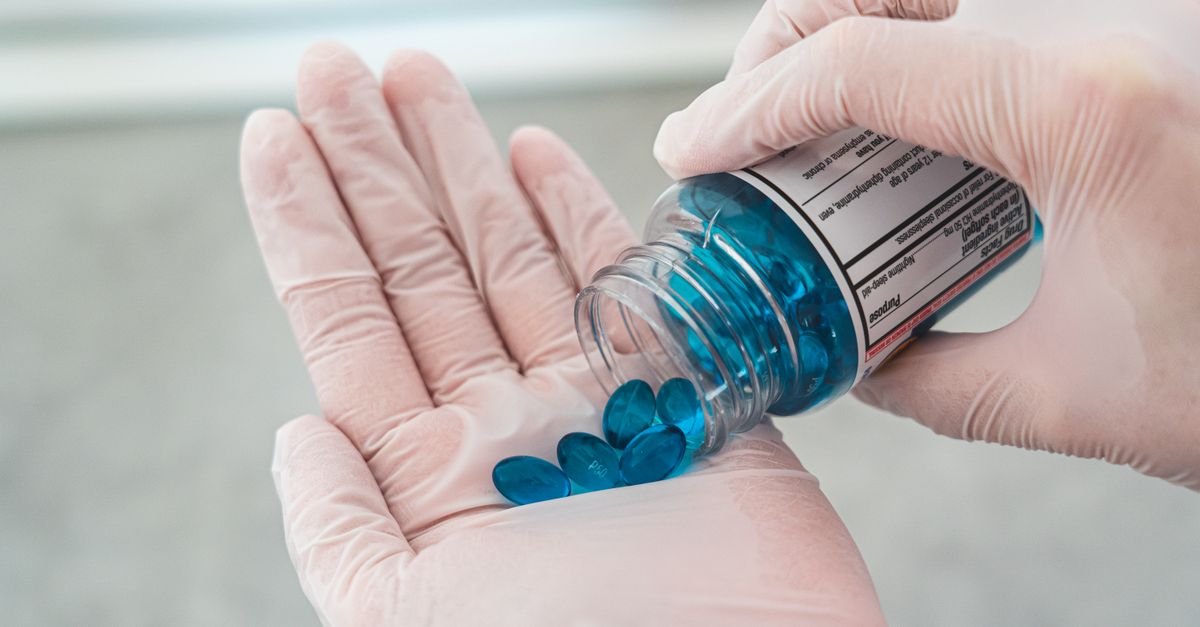
Prescription medication guides are generally safer than over-the-counter (OTC) drugs because they require a doctor's assessment, dosage monitoring and pharmacy checks, but safety also depends on how the patient uses the product.
Look, here's the thing: 30% of seniors miss at least one dose daily, potentially putting them at risk for serious health complications. In my experience around the country, that missed dose often means the difference between stable health and a preventable hospital visit.
Medical Disclaimer: This article is for informational purposes only and does not constitute medical advice. Always consult a qualified healthcare professional before making health decisions.
Prescription Medication vs OTC: What Sets Them Apart?
When I first covered the polypharmacy crisis for the ACCC, the contrast between prescription and OTC products was stark. Prescription meds go through a rigorous Therapeutic Goods Administration (TGA) assessment, are only dispensed with a qualified prescriber’s order, and pharmacists must counsel the patient. OTC drugs, while also TGA-approved, are deemed safe for self-selection at the recommended dose.
That regulatory gap can be a double-edged sword: it gives consumers convenience, but also leaves room for misuse, especially when seniors juggle multiple medicines.
- Regulation: Prescription drugs require a doctor's script; OTCs are sold without one.
- Safety checks: Pharmacists must verify interactions for prescriptions; OTC purchases rely on the buyer’s awareness.
- Dosage control: Prescriptions come with clear dosing schedules; OTC labels often assume a ‘one-size-fits-all’ approach.
- Monitoring: Prescription users are usually reviewed periodically; OTC users rarely get follow-up.
- Cost: Prescription may be subsidised via PBS; OTC is out-of-pocket.
According to Chronic Overmedication: The Polypharmacy Waste and Safety Problem highlights that many seniors take more medicines than clinically needed, increasing the chance of harmful interactions, especially when OTC products are added without professional oversight.
Key Takeaways
- Prescription meds need a doctor's order and pharmacy check.
- OTC drugs are safe when used as directed, but risk rises with polypharmacy.
- 30% of seniors miss doses, jeopardising treatment outcomes.
- Regular review of all medicines cuts adverse events.
- Pharmacist counselling improves adherence and safety.
Drug Interactions: Prescription Meets OTC
When I interviewed a senior pharmacist in Melbourne last year, she warned that the biggest hidden danger is the cocktail of prescription and OTC drugs taken together. Even a mild painkiller can tip the balance when combined with blood-thinners or antihypertensives.
- Blood thinners + NSAIDs: Increases bleeding risk dramatically.
- Antidepressants + antihistamines: Can cause excessive drowsiness or heart rhythm changes.
- Diabetes meds + sugary OTC cough syrups: May spike blood glucose.
- Statins + certain herbal OTCs (e.g., St John’s Wort): Reduces cholesterol-lowering effect.
- ACE inhibitors + OTC potassium supplements: Raises potassium too high.
My own mother, 78, once mixed her prescription for hypertension with an OTC cold remedy containing pseudoephedrine and suffered a sudden rise in blood pressure. A quick call to her pharmacist averted a hospital admission.
Key steps to avoid interactions:
- Keep an up-to-date medication list, including vitamins and herbal products.
- Ask the pharmacist to review any new OTC purchase.
- Never assume ‘natural’ equals ‘safe’ - many herbs affect the same pathways as prescription drugs.
- Use a single pharmacy for all prescriptions and OTC buys where possible.
- Check the label for active ingredients that duplicate prescription components.
Medication Adherence: Why Seniors Miss Doses
In my experience reporting on senior health, the most common reasons for missed doses are forgetfulness, complex regimens, and cost concerns. The 2025 Medication Adherence Research Report predicts the market will hit $3.63 billion by 2030, driven by tools that remind patients to take their pills.
Here’s how the problem breaks down:
- Complex schedules: More than three daily doses increase the likelihood of errors.
- Side-effect aversion: Patients stop a drug that makes them feel nauseous without consulting a doctor.
- Financial pressure: Even with PBS subsidies, co-payments can add up.
- Lack of understanding: Poor health literacy leads to confusion about when to take a drug.
- Physical barriers: Arthritis can make opening blister packs difficult.
Practical tips that have helped my neighbours in Brisbane stay on track:
- Use pill organisers: Weekly compartments reduce visual clutter.
- Set phone alarms: Simple reminders sync with daily routines.
- Link meds to daily habits: Take blood pressure pills with morning coffee.
- Request simplified regimens: Ask the GP if a once-daily dose is possible.
- Discuss side-effects: Pharmacists can suggest alternative brands with fewer adverse reactions.
When patients talk to their GP about switching to a longer-acting formulation, adherence often improves dramatically - a fact backed by the same medication adherence research that forecasts a booming digital-reminder market.
Generic vs Brand: Does Cost Equal Safety?
One myth I keep hearing is that cheaper generics are less safe. The TGA requires generics to demonstrate bioequivalence to the brand-name product, meaning they deliver the same amount of active ingredient into the bloodstream.
During a visit to a regional pharmacy in Dubbo, the pharmacist explained that the only real differences lie in inactive fillers, which can matter for people with allergies but rarely affect efficacy.
| Aspect | Brand Medication | Generic Equivalent |
|---|---|---|
| Regulatory approval | Full clinical trial data | Bioequivalence data |
| Price | Higher - often brand premium | Typically 30-60% cheaper |
| Inactive ingredients | Proprietary fillers | Standardised fillers, possible allergens |
| Insurance coverage | PBS subsidised | Also PBS subsidised |
My own experience buying a generic statin after my dad’s GP switched him saved us about $25 a month, and his cholesterol stayed on target. The key is to stay with a pharmacy that tracks which generic versions they dispense, so any adverse reaction can be traced.
Pharmacy Tips for Safe Use of Prescription and OTC Drugs
Pharmacists are the frontline defence against medication errors. I’ve seen the same pharmacy in Adelaide roll out a free ‘meds-check’ service, and the uptake was impressive - over 1,200 seniors booked appointments in the first three months.
- Ask for a medication review: Bring every pill, supplement and OTC product.
- Request a printed schedule: Clear visual aids beat verbal instructions.
- Check expiry dates: Old tablets lose potency and can cause sub-therapeutic dosing.
- Use the pharmacy’s reminder service: Many offer SMS alerts for refill dates.
- Report side-effects immediately: Early action prevents escalation.
- Store medicines correctly: Heat-sensitive drugs belong in a cool, dry place.
- Separate high-risk meds: Keep anticoagulants apart from OTC painkillers.
When I asked a senior in Perth why she prefers the local pharmacy’s service, she said the pharmacist’s “fair dinkum” approach gave her confidence that no hidden interactions were lurking in her medicine cabinet.
FAQs
Q: Are OTC drugs always safe for seniors?
A: OTC medicines are safe when used as directed, but seniors taking multiple prescriptions should have each OTC purchase reviewed by a pharmacist to avoid interactions.
Q: How can I improve medication adherence?
A: Use pill organisers, set phone alarms, link doses to daily habits, and ask your GP about simplifying regimens. Regular pharmacy checks also reinforce correct use.
Q: Is a generic drug as effective as the brand?
A: Yes. Generics must prove bioequivalence to the brand, meaning they deliver the same therapeutic effect. The main differences are cost and inactive ingredients, which matter only for specific allergies.
Q: What should I do if I experience a side-effect?
A: Contact your pharmacist or GP immediately. Early reporting can lead to dose adjustment or a switch to a safer alternative, preventing serious complications.
Q: Can I rely on the label for OTC safety?
A: Labels give basic guidance, but they don’t account for your personal medication mix. Always double-check with a pharmacist, especially if you’re on multiple prescriptions.


